Tyne Cot Cemetery, visited with a private guide who knows its stories
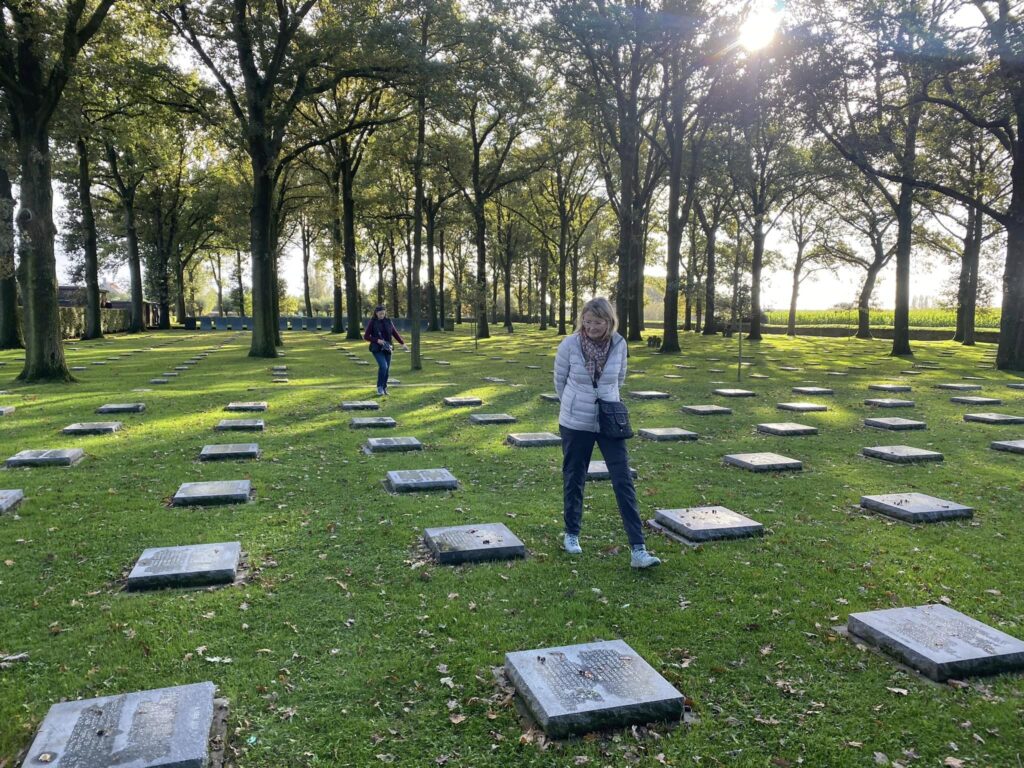
Tyne Cot Cemetery is the largest Commonwealth war cemetery in the world. On a gentle slope a few miles north-east of Ypres lie nearly 12,000 soldiers of the First World War, and the curved wall that closes the cemetery at the top carries the names of almost 35,000 more who were never found. Most people who come to Flanders come here at some point in their trip.
You can walk in on your own; the cemetery is open and free. But many visitors leave with the scale in their heads and very little else. This page explains what Tyne Cot is, how to find a particular name, and how a visit fits into a day on the Passchendaele battlefield.
I’ve had the honor of guiding visitors from all over the world including many from the United States who come to Belgium to explore its historic battlefields and gain a deeper understanding of the events that shaped our history.
The name is said to come from soldiers of the Northumberland Fusiliers, who called a barn on this slope “Tyne Cottage”. The ground was part of the German defences on the Passchendaele ridge, studded with concrete blockhouses, and it was taken in October 1917 during the Third Battle of Ypres. A small battlefield cemetery was started beside one of the blockhouses.
After the Armistice, graves were brought in from the battlefields and smaller burial grounds all around, and the cemetery grew to its present size. Around seven in ten of the men buried here could not be identified; their headstones carry the words “Known unto God”. The Cross of Sacrifice stands on top of the largest German blockhouse, at the suggestion of King George V after his visit in 1922, and the concrete is still visible at its base.
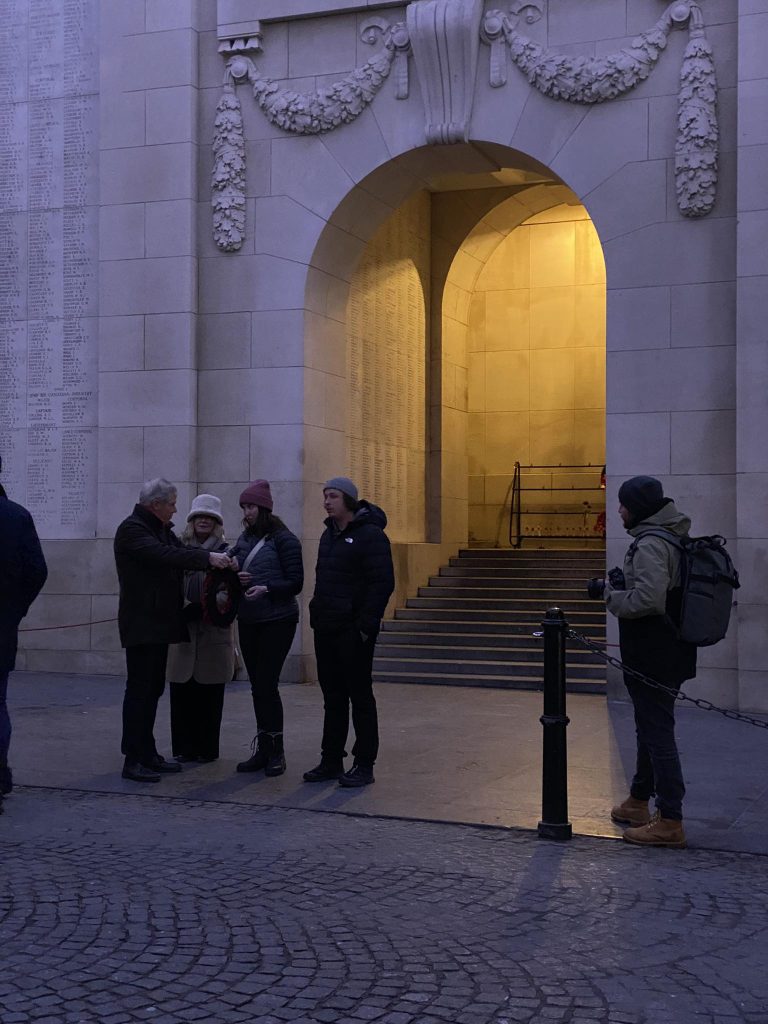
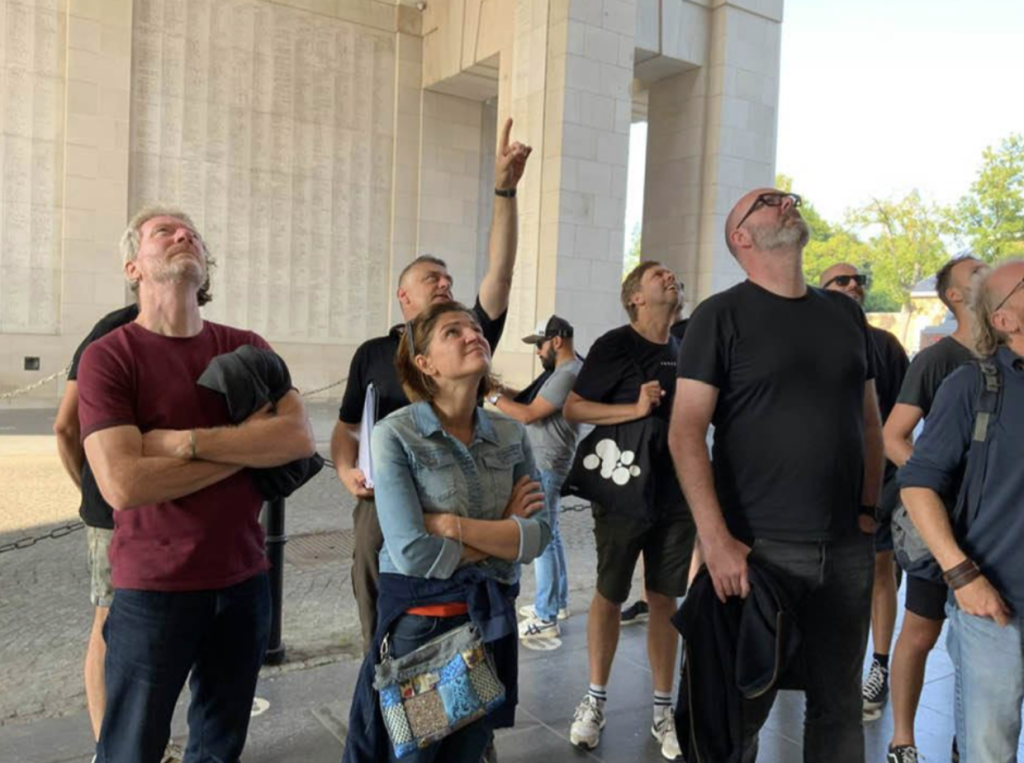
The wall at the back of Tyne Cot is a memorial in its own right. It names soldiers of the United Kingdom and New Zealand who died in the Salient from mid-August 1917 onwards and have no known grave. The men missing before that date are named on the Menin Gate in Ypres, which had simply run out of room. New Zealand’s missing have their own apse at the centre of the wall.
Reading the panels in the wind on that ridge, with the rows of headstones below, is the moment most visitors remember. The connection with the town is explained on the page about the Menin Gate Last Post tour, and the two are often seen on the same day.
With 12,000 graves and 35,000 names, finding one man without a reference is close to impossible. Before you travel, search the Commonwealth War Graves Commission database. For a burial it gives the plot, row and grave number; for the missing, the panel on the memorial wall where the name is carved. Write the reference down and bring it.
Better still, send it to me ahead of the visit. I check the location, and where the records allow I look at where his battalion was in the days before he died, so you know not only where he lies but what happened to him. The full approach is set out on the page about tracing an ancestor’s war grave.
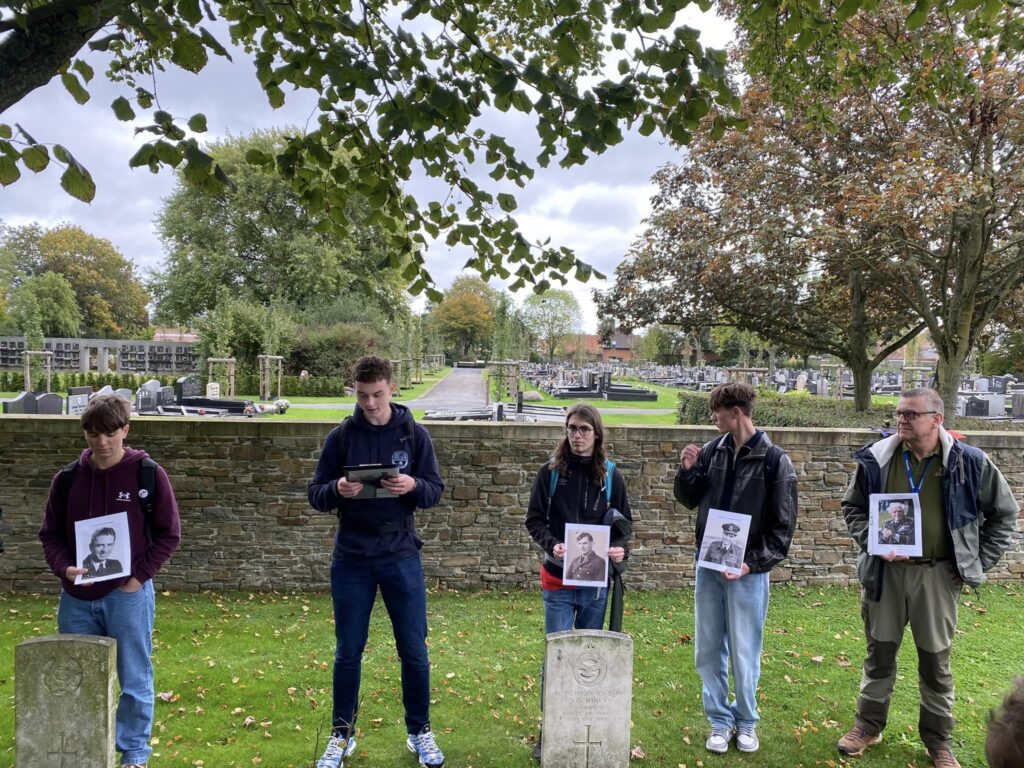
At Tyne Cot I tell the stories of individual soldiers buried there, so the rows become people: a brother, a school friend, a man who lied about his age. From the top of the cemetery you can look back towards Ypres and see the ground the attacks crossed in the autumn of 1917, and the blockhouses inside the walls show what the men were attacking.
In the visitor centre beside the cemetery, the names of the missing are read out one by one, with a photograph where one survives. It is a quiet room, and worth the few minutes before or after the walk among the graves.
Tyne Cot is rarely a visit on its own. It sits at the heart of the Passchendaele battlefield, a short drive from Zonnebeke and the Brothers in Arms memorial, from the Canadian memorial at Crest Farm, and from the German cemetery at Langemark. A typical day joins it with Hill 60 or Essex Farm and ends in Ypres with the Last Post at eight o’clock.
The day built around the 1917 battle is described on the page about the Passchendaele tour.
There is parking beside the visitor centre, and the main paths are level, though the grass between the rows can be soft after rain. In summer and around 11 November the cemetery is busy with coach groups; early morning or late afternoon is calmer. If you would like to leave a wreath or a cross at a grave, mention it when booking and it can be arranged.
Pickup is from your hotel, a station or the airport in Brussels, from Antwerp, from the cruise terminal at Zeebrugge, or from your hotel in Ypres or Bruges, usually around 08:30. The day runs roughly eight to ten hours in my own vehicle; larger groups travel by coach with a licensed professional driver.
I have guided these battlefields since 2014, in English, Dutch, French and German, and hold a three-and-a-half year Battlefield Tour Guide certification for both world wars. Call +32 497 645 645 or email peter@battlefields1.com with the name you are looking for and your dates.