The WW1 sites in Belgium lie almost entirely in one corner of the country, the west of the province of West Flanders. The front line ran from the coast at Nieuwpoort south through Diksmuide and around Ypres to the French border near Ploegsteert, and it barely moved for four years. Everything worth seeing is within that strip, and most of it is less than an hour from Ypres.
This guide sets out the main sites area by area, from north to south, and then which ones combine well in a day.
I’ve had the honor of guiding visitors from all over the world including many from the United States who come to Belgium to explore its historic battlefields and gain a deeper understanding of the events that shaped our history.
The northern end of the line was held by the Belgian army. In October 1914 Belgian engineers opened the sluices at Nieuwpoort and flooded the low land between the coast and Diksmuide, stopping the German advance for good. The King Albert I Memorial stands beside those sluices, and from its gallery you look out over the ground that was put under water.
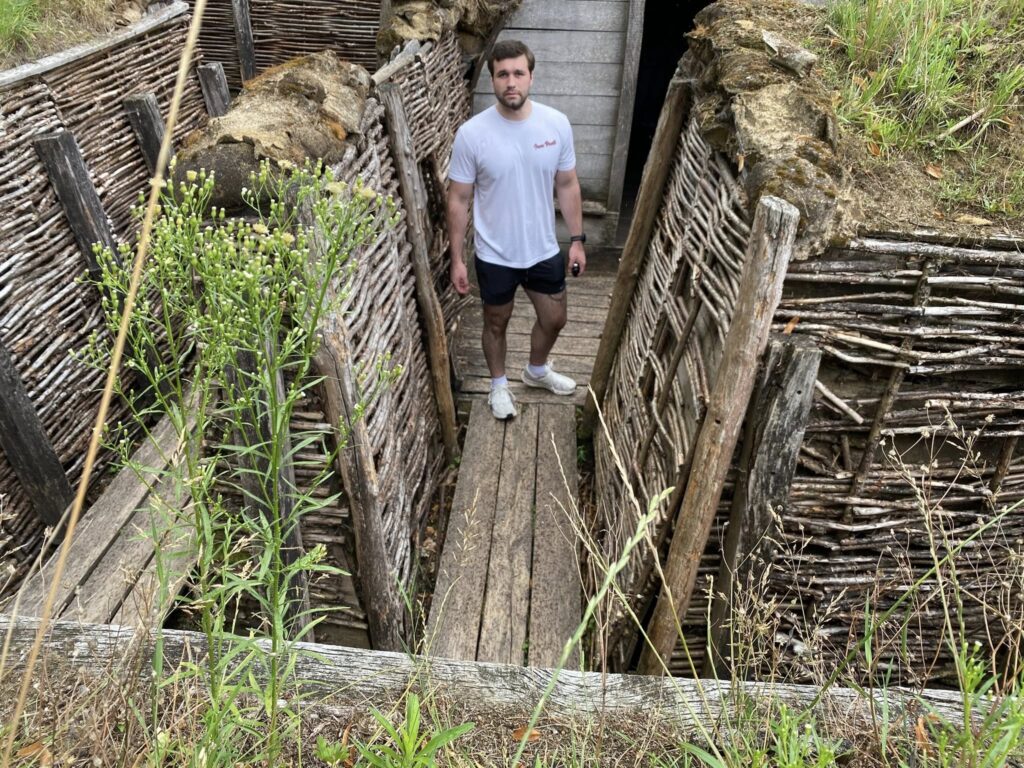
Near Diksmuide, the Trench of Death, the Dodengang, is a restored stretch of Belgian trench held from 1915 to 1918 within metres of the German line. The Yser Tower close by houses a museum on the war and on Flemish remembrance. These are the sites most British and American itineraries leave out, and they tell the story of the country the war was fought in.
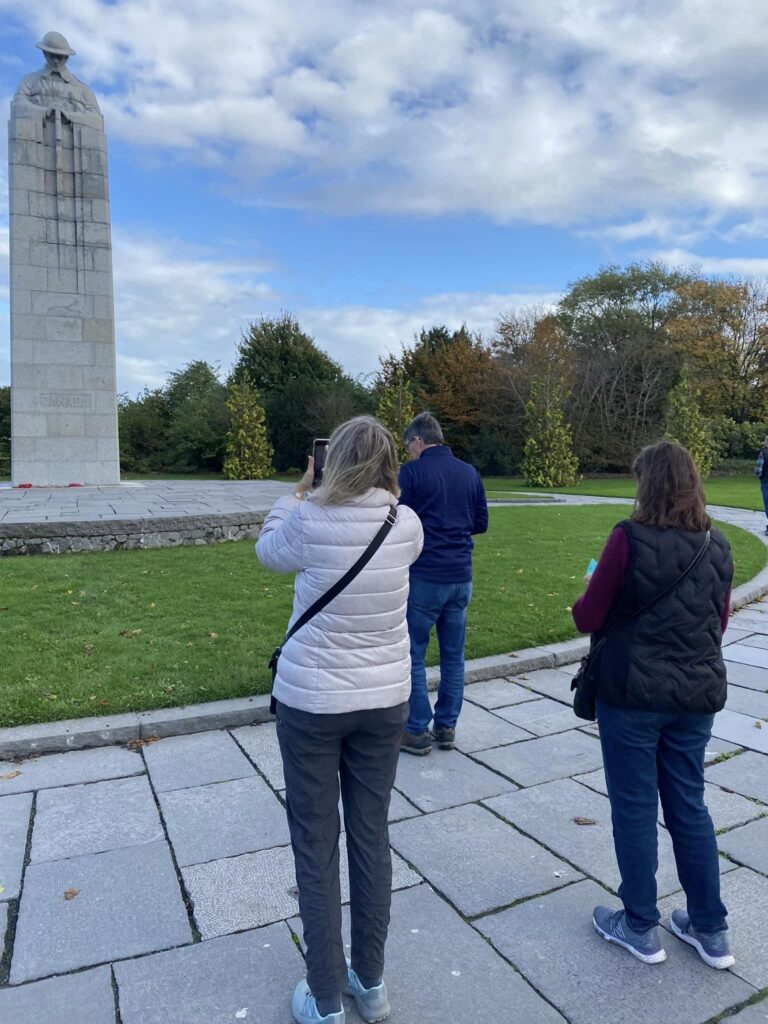
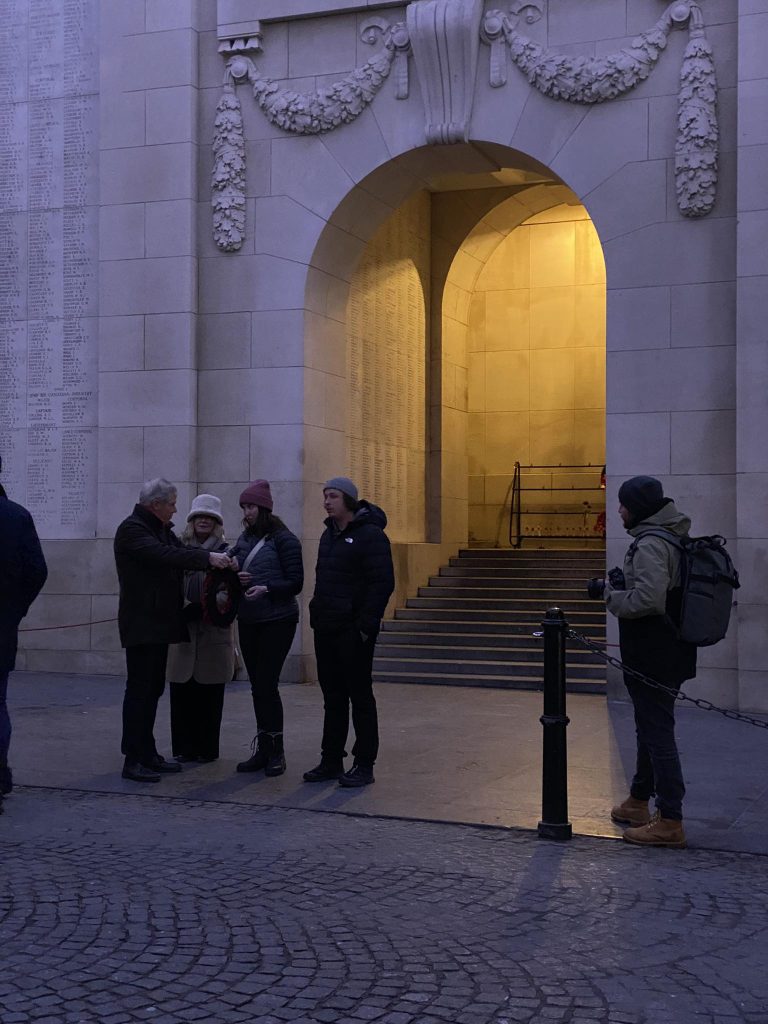
Ypres is the centre of the First World War in Belgium. The Menin Gate names more than 54,000 Commonwealth soldiers with no known grave, and the Last Post has been sounded beneath it every evening at eight since 1928. North of the town are Essex Farm, where John McCrae wrote “In Flanders Fields”, the Canadian memorial at St Julien, and Langemark German Military Cemetery. To the south-east lie Hill 60 and Sanctuary Wood.
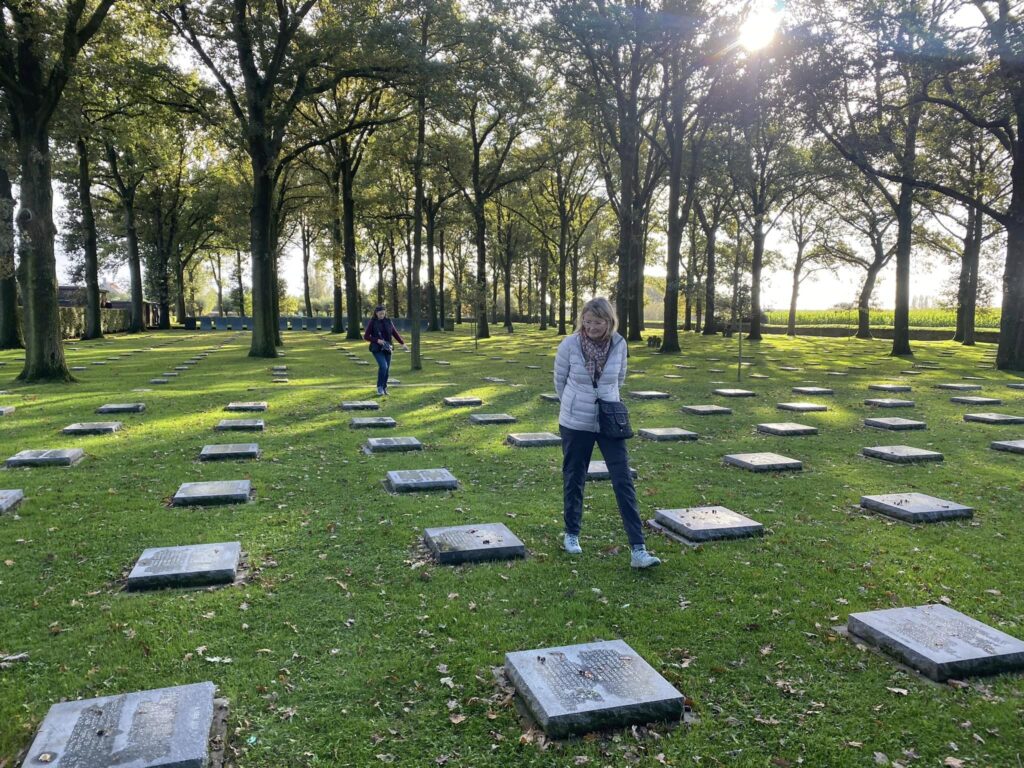
East of Ypres, the ridge towards Passendale is the ground of the 1917 offensive. Tyne Cot, the largest Commonwealth war cemetery in the world, lies on its slope, with nearly 12,000 graves and almost 35,000 names on its memorial wall. Zonnebeke has the Brothers in Arms memorial to two Australian brothers and the Memorial Museum Passchendaele 1917, and the Canadian memorial at Crest Farm stands where the village was finally taken in November 1917.
South of Ypres, Messines Ridge was the scene of the mines of 7 June 1917, when nineteen charges dug by British, Canadian and Australian tunnellers were fired under the German line. The crater at Spanbroekmolen survives as the Pool of Peace. The Island of Ireland Peace Park marks the attack of the 36th (Ulster) and 16th (Irish) Divisions side by side, and in the village of Messines itself the New Zealand Division, which took the village, has its own memorial.
At the southern end of the Belgian front lies Ploegsteert Wood, “Plugstreet” to the British soldiers who held it. Along parts of this sector, British and German soldiers met in no man’s land at Christmas 1914, and a small memorial near Saint-Yvon marks the truce. The Ploegsteert Memorial, with its two stone lions, names more than 11,000 soldiers missing in this sector, and the cemeteries in and around the wood are among the most peaceful in Flanders.
West of Ypres, Poperinge was where the British Army rested and was treated. Talbot House, the soldiers’ club opened in 1915 by the chaplain Tubby Clayton, still welcomes visitors, and Lijssenthoek Military Cemetery, which grew beside the casualty clearing stations, is the second-largest Commonwealth cemetery in Belgium.
The distances are short, but the sites are many, and trying to see everything means seeing nothing properly. Three combinations work well:
Ypres and Passchendaele. The In Flanders Fields Museum, Essex Farm, Langemark, Tyne Cot, Zonnebeke, and the Last Post in the evening. The classic first visit.
Messines, Ploegsteert and Ypres. Hill 60, the Pool of Peace, the Island of Ireland Peace Park and Ploegsteert, ending at the Menin Gate. Good for a second day, or for families with a soldier who served south of the Salient.
The Yser front and the northern Salient. Nieuwpoort, the Trench of Death, then Langemark and Essex Farm. A natural route when starting from the coast or from Bruges.
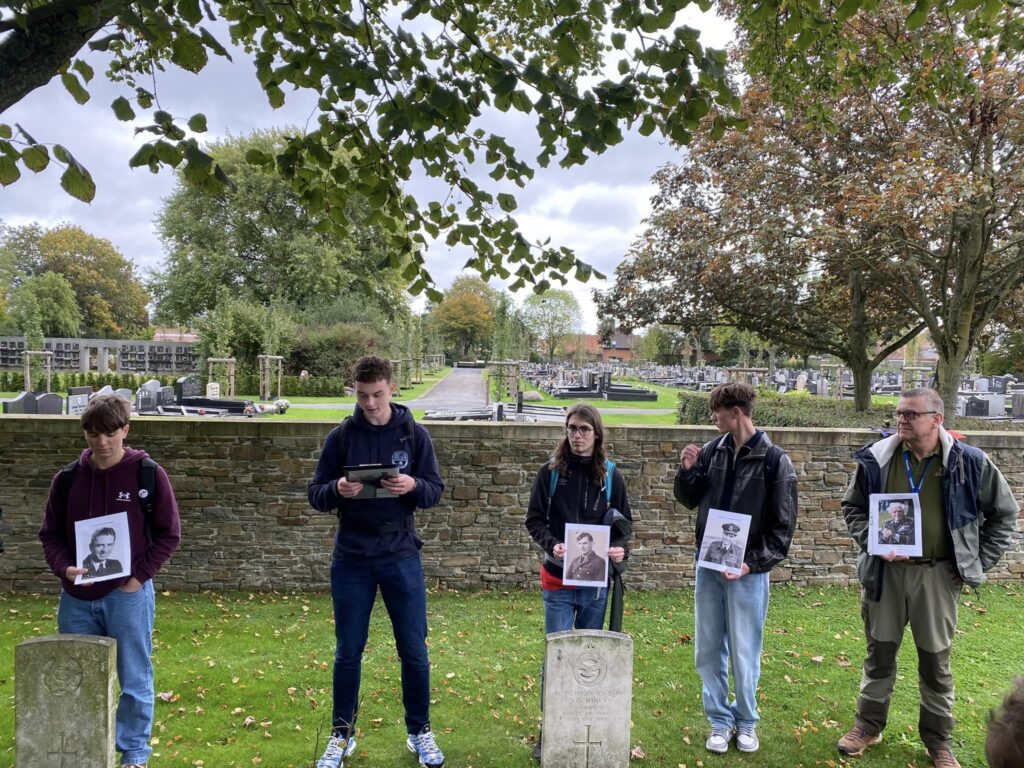
Every day is private, so the combination can be changed around a grave or a regiment. Before you travel, the Commonwealth War Graves Commission database tells you exactly where a Commonwealth soldier is buried or named, and the route can start from there.
Pickup is from Brussels, Antwerp, Bruges, the cruise terminal at Zeebrugge or your hotel in Ypres, usually around 08:30, and a full day runs roughly eight to ten hours. I have guided these sites since 2014, in English, Dutch, French and German, and travel with you in my own vehicle; larger groups go by coach with a licensed professional driver. Pricing is set out under battlefield tour prices in Belgium. Call +32 497 645 645 or email peter@battlefields1.com.